Why the old prestige strategy is weakening
For years, the default dream job felt obvious: land a role at Big Tech, secure stability, and ride the prestige wave. But in 2026, that strategy is quietly breaking down.
Hiring data is showing a different kind of opportunity. Smaller employers are often moving faster while large firms slow hiring because of cost control, restructuring, and AI-driven efficiency.
What the January data is really signaling
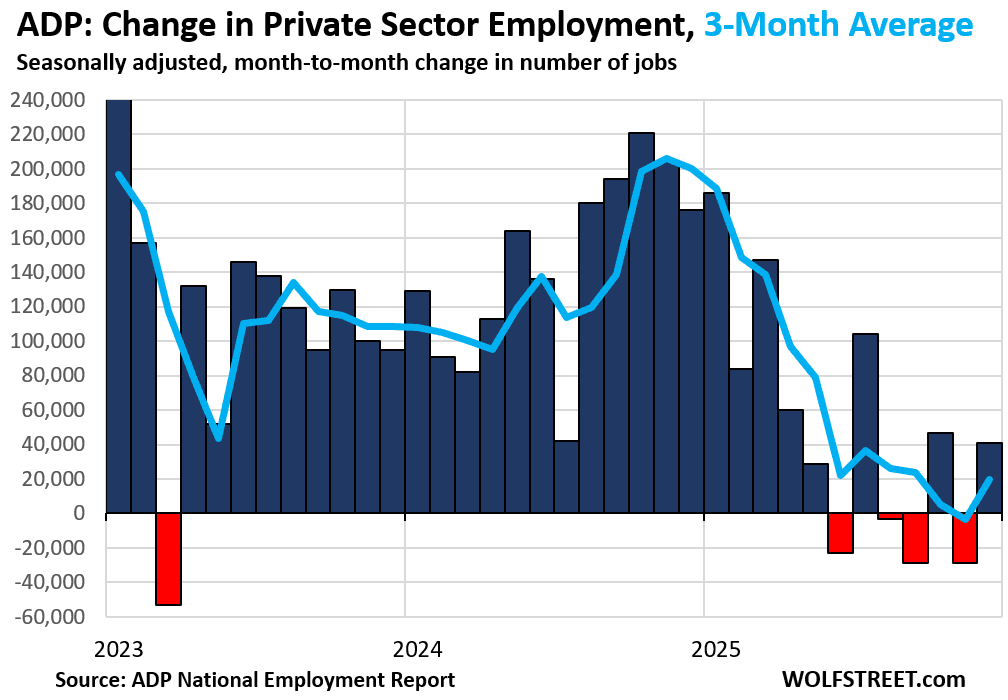
The timing of this shift lines up with early-2026 reporting on private employment. Wolf Street, citing the ADP National Employment Report, reported on January 7, 2026 that small employers added jobs in December while large employers barely moved.
That does not mean every small company is growing aggressively. It means the relative advantage is changing, especially for candidates who need motion more than prestige.
Why small companies evaluate people differently
This shift is not random. Smaller companies operate under very different constraints. They cannot afford long hiring cycles, bloated teams, or passive employees because every hire matters more directly.
That usually means they care more about skills, adaptability, and execution than polished branding or rigid experience requirements.
What this changes for job seekers
For job seekers, this changes the game. Instead of competing against thousands of applicants for a single role at a large company, you can target high-growth startups and lean teams where your odds are better and your impact is easier to see.
In those environments, visible contribution matters. That can accelerate learning, responsibility, and career signal faster than a long wait in a crowded prestige funnel.
Where Aladdin creates leverage
This is where platforms like Aladdin create leverage. Traditional job boards are biased toward large employers because those companies spend more on recruiting and distribution.
Modern matching systems can instead surface smaller, high-growth companies that are actively hiring but still under-discovered.
- Look for employers that need immediate contribution, not long filtering cycles.
- Treat speed and visibility as advantages, not tradeoffs.
- Use matching tools to find under-discovered teams with real demand.
- In 2026, chasing momentum can be smarter than chasing prestige.